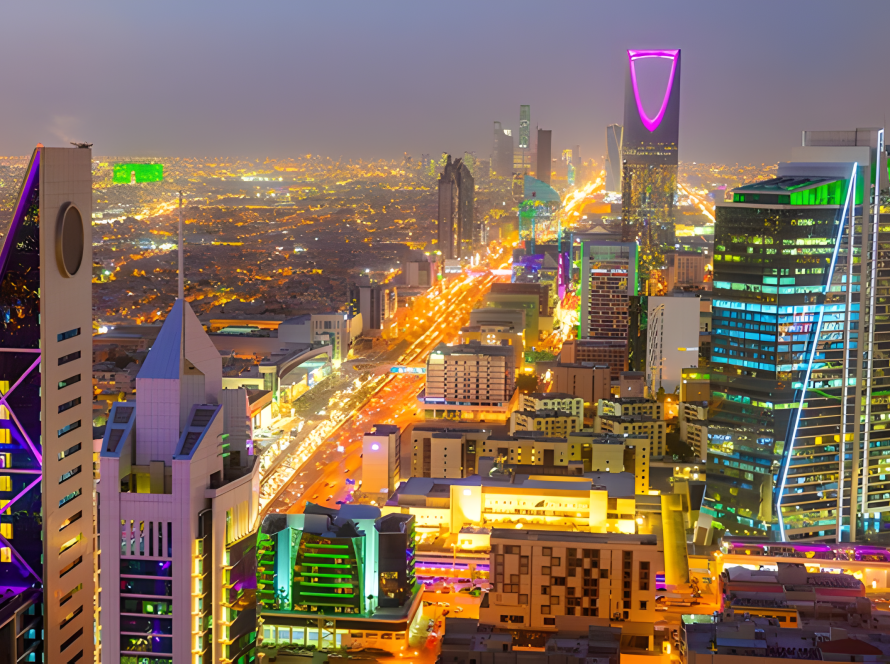
For decades, entertainment was largely built around observation. Audiences watched stories unfold, visited attractions and explored worlds that had already been created for them.
Today, that relationship is changing. Visitors increasingly expect to interact, make decisions, influence outcomes and become active participants in the experiences they enter.
Interactive technologies, gaming mechanics, personalisation and connected environments are opening up new possibilities for immersive entertainment. The shift is subtle but significant: the guest is no longer simply entering the story. The guest can become part of it.
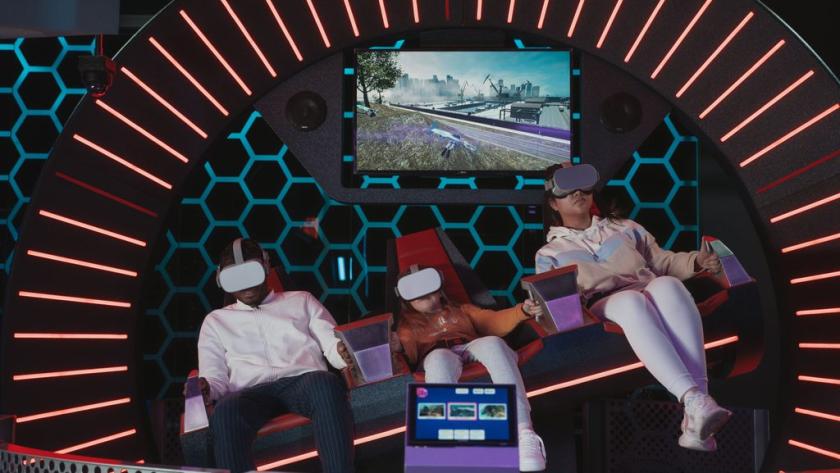
The guest is no longer just watching the story
Immersion has traditionally been about creating believable environments. Architecture, scenography, lighting, sound and storytelling work together to make visitors feel as though they have entered another place or another world.
But increasingly, being surrounded by the story is only part of the experience. Interactive environments can invite guests to trigger effects, make choices, complete challenges, discover hidden elements or influence what happens around them.
The visitor moves from observer to participant and that distinction has significant implications for the way immersive environments are conceived.
From linear experiences to personalised journeys
Traditional attractions tend to follow a predetermined sequence: you enter, the experience unfolds and you leave. Interactive entertainment introduces another possibility: environments capable of responding differently depending on how visitors engage with them.
Gaming has helped establish many of these behaviours. Players are accustomed to exploring, making decisions, unlocking content and experiencing worlds that react to their actions. As those behaviours become increasingly familiar, similar expectations are influencing physical entertainment environments.
Not every guest needs to discover exactly the same elements, not every journey needs to unfold in exactly the same way and not every visit needs to feel identical to the previous one.
For destinations, this creates new opportunities to encourage exploration, discovery and repeat visitation.
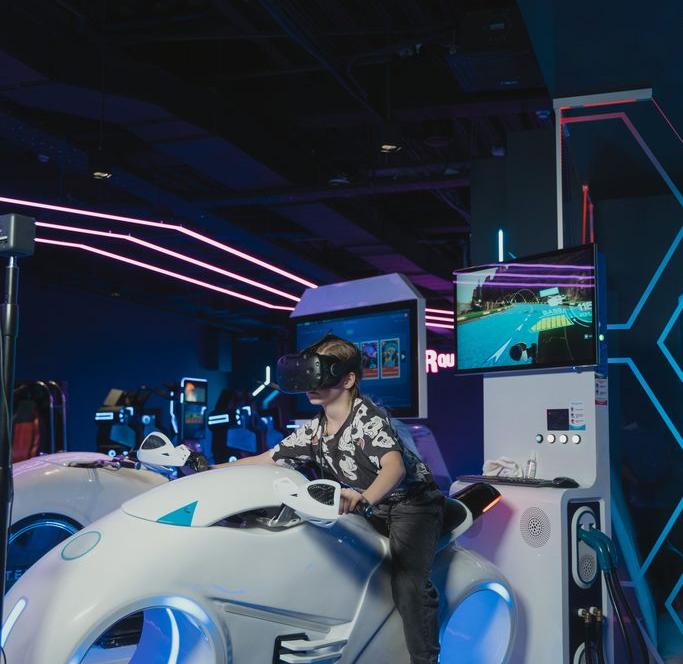
When physical and digital experiences connect
Another important evolution is happening beyond the boundaries of the physical destination. Traditionally, a visit began when guests arrived and ended when they left; digital technology is challenging that idea.
Experiences can now potentially begin before arrival, accompany visitors throughout the destination and continue afterwards through personalised content, connected platforms or interactive layers.
This raises an interesting question for the industry: where does an experience actually begin and end? The answer may no longer be defined by the physical boundaries of a destination. Instead of individual touchpoints, entertainment can become a connected ecosystem in which physical and digital experiences complement each other throughout the guest journey.
Designing for participation
This evolution also changes the way immersive environments need to be considered. If guests are expected to participate rather than simply observe, the physical environment must support that behaviour.
Scenic elements can become interactive. Spaces can respond to visitor actions. Technology can unlock different layers of storytelling. Physical environments can encourage exploration and discovery.
The important point is that interaction should not feel like something added afterwards, it should feel like a natural part of the environment itself. And the rise of digital interaction does not make physical environments less relevant; in many ways, it makes them even more important.
No digital interface can replicate the scale, materiality and sensory impact of physically entering an immersive world.
The opportunity lies in allowing both dimensions to complement each other:
• Technology provides responsiveness and personalisation.
• Physical environments provide presence, scale and emotion.
When both work together naturally, immersion can become deeper and more personal.
Designing what the guest doesn’t see
Creating participatory environments also introduces another layer of complexity. Behind an apparently intuitive interaction can be a combination of scenic fabrication, engineering, audiovisual systems, lighting, sensors, digital infrastructure and operational requirements.
For the visitor, however, none of that complexity should become the protagonist. The technology should support the experience, the engineering should make it possible and the physical environment should bring everything together into a coherent world.
This means collaboration between creative, technical and production disciplines becomes increasingly important as immersive experiences evolve.
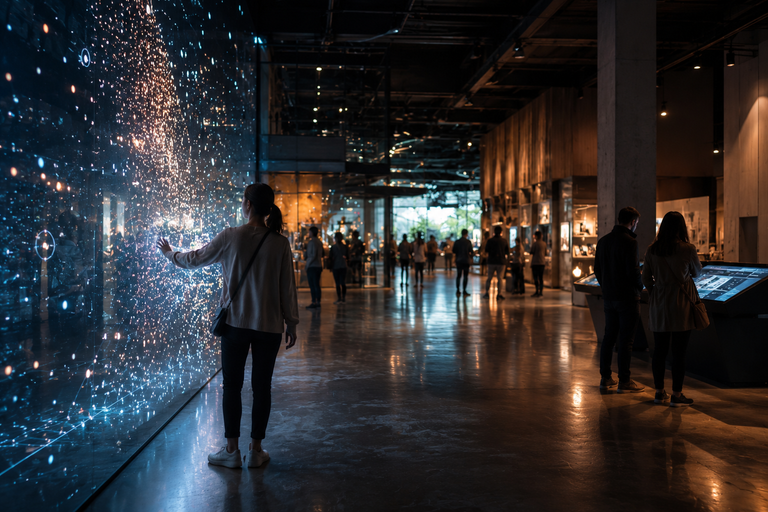
A new challenge for themed entertainment
For designers, developers, fabricators and operators, the shift from observation to participation changes the way destinations are conceived. Future immersive environments may need to be designed not simply as static spaces, but as platforms capable of responding, adapting and evolving.
Creative vision must connect with engineering, physical fabrication must accommodate technology, digital systems must integrate naturally into scenic environments and every technical decision must ultimately support the guest experience rather than distract from it.
The complexity increases, but so does the creative potential.
The experience doesn’t have to end at the exit
The boundaries between physical environments, interactive storytelling and digital experiences are becoming increasingly fluid. The future of immersive entertainment may therefore not be defined by choosing between physical and digital experiences, but by finding new ways for both to work together.
Visitors will continue to seek spectacular environments and memorable stories. Increasingly, however, they may also expect those worlds to acknowledge their presence, respond to their actions and give them a role within the experience.
At THEMRISE, we see this evolution as another step in the continuous transformation of themed entertainment: creating environments where storytelling, technology and physical execution work together to make experiences increasingly participatory, connected and memorable.
Because the next generation of immersive destinations will not simply invite audiences to enter a story: they will give them a part to play.
For decades, entertainment was largely built around observation. Audiences watched stories unfold, visited attractions and explored worlds that had already been created for them.